
glass mirror wall design
Ground Anchor Foundations An Overview Ground anchor foundations, also known as soil anchors or earth anchors, are essential components in civil engineering and construction that provide stability and support to various structures. These systems play a pivotal role in ensuring the safety and integrity of buildings, retaining walls, bridges, and other infrastructures that may be exposed to lateral loads or erosion. What Are Ground Anchors? Ground anchors are typically made from high-strength steel strands or bars that are embedded into the ground to provide a pulling force against the structure. The concept revolves around transferring the loads from a structure into the surrounding soil or rock, utilizing the resistance of the earth to hold the anchor in place. The anchors can be designed as passive or active systems, depending on whether they rely purely on the soil's resistance or actively engage in providing support through tension loading. Applications of Ground Anchor Foundations Ground anchors are commonly used in a variety of applications 1. Retaining Walls In areas where soil stability is a concern, ground anchors are used to stabilize retaining walls. They help counteract the lateral pressure exerted by the soil, preventing wall failure and ensuring longevity. 2. Bridges Ground anchors are utilized in bridge construction to enhance stability, especially in areas subjected to heavy traffic loads or where soil conditions may be unpredictable. 3. Tunneling and Excavation Support During tunneling operations or major excavations, ground anchors provide temporary support to prevent soil collapse while workers operate safely underground . ground anchor foundation 4. Foundation Systems For structures built on less stable soil types, ground anchors can serve as part of a foundation system, ensuring adequate load transfer and preventing settlement or tilting. Design Considerations The design of ground anchor foundations requires careful analysis and engineering judgment. Factors such as soil characteristics, load requirements, and environmental conditions must be taken into account. The installation process typically involves drilling a hole into the ground, placing the anchor, and grouting it in place to improve anchorage. The performance of the anchor must be monitored over time, especially in dynamic environments like coastal or seismic zones. Advantages of Ground Anchor Foundations One of the primary advantages of ground anchor foundations is their versatility. They can be employed in diverse soil conditions and are adaptable to various types of structures. Additionally, ground anchors generally have a lower environmental impact compared to traditional deep foundation systems like piles, as they require less excavation and can be installed with minimal disturbance to the surrounding area. Moreover, ground anchors provide significant cost savings in many projects. Their ability to reduce material requirements and limit extensive excavation translates to lower project costs and quicker construction timelines. Safety is another crucial aspect; by securing structures against potential failures, ground anchors contribute to the overall safety and reliability of constructions. Conclusion In conclusion, ground anchor foundations are a vital technique in modern engineering, offering efficient solutions for enhancing the stability of structures in challenging soil conditions. Their applications span across various domains, demonstrating their adaptability and effectiveness. As engineering practices continue to advance, the use of ground anchors will likely grow, providing innovative support systems that enhance the resilience and safety of our built environment. Understanding the principles and benefits of ground anchor foundations is essential for engineers and construction professionals as they strive to design and erect safe structures in increasingly complex environments.
about
glass mirror wall design
Understanding Plain Plug Gauge Standards Plain plug gauges are essential tools used in manufacturing and quality control environments to ensure that components meet specific dimensional tolerances. They are designed to check the size and fit of holes and other internal dimensions, providing a reliable means to determine whether a part is within acceptable limits. This article explores the concept of plain plug gauge standards, their applications, and their significance in precision engineering. What is a Plain Plug Gauge? A plain plug gauge is a cylindrical instrument with a specific diameter that is used to measure the internal dimensions of an object, typically a hole. These gauges come in two variants go gauges and no-go gauges. The go gauge is slightly smaller than the nominal size and should fit easily into the hole if the dimension is acceptable. The no-go gauge, on the other hand, is slightly larger and should not fit if the hole is within specification. Together, these gauges help in assessing whether a part is of acceptable quality. Importance of Standards Plain plug gauges are governed by specific standards to ensure accuracy, reliability, and uniformity across various manufacturing processes. The most widely cited standards include those established by organizations such as the International Organization for Standardization (ISO), the American National Standards Institute (ANSI), and the British Standards Institution (BSI). These standards dictate the manufacturing tolerances, materials used, calibration techniques, and measurement methods for plug gauges. Material and Design Plain plug gauges are usually made from high-grade tool steel or other durable materials to withstand wear and tear. The design includes a precisely defined diameter and a smooth, hardened surface to ensure that the gauge provides accurate readings over time. The gauge's length is also standardized to facilitate easy handling and ensure compatibility with measuring devices. plain plug gauge standard Calibration Calibration is a crucial aspect of maintaining the accuracy of plain plug gauges. It involves comparing the gauge against a known standard to check for deviations. Regular calibration is necessary to account for wear, temperature changes, and other factors that could affect measurement accuracy. Most manufacturers adhere to a strict calibration schedule, often using certified reference materials to ensure compliance with industry standards. Applications Plain plug gauges are widely used across many industries, including automotive, aerospace, and electronics. They are instrumental in ensuring parts fit together correctly, which is vital for the safety and performance of machines and systems. For instance, in the automotive sector, precise fitting of components can significantly affect the performance of an engine or transmission. In addition to checking hole diameters, plain plug gauges can also be used in assembly lines to verify the dimensions of various parts before they are assembled into larger systems. This quality control step helps prevent costly errors and rework, ensuring that products meet the required specifications and are safe for use. Conclusion Plain plug gauges are indispensable tools in modern manufacturing and quality assurance. Understanding the standards and practices surrounding these gauges is vital for ensuring the reliable and accurate measurement of internal dimensions. With their widespread applicability across various industries, plain plug gauges serve as a critical component in maintaining the integrity and quality of engineered products. In conclusion, adhering to plain plug gauge standards not only enhances the precision of manufacturing processes but also fosters trust between manufacturers and customers. As industries continue to evolve and strive for higher quality and efficiency, the role of plain plug gauges will remain paramount in achieving these goals. By investing in proper gauges, regular calibration, and adherence to standards, businesses can significantly improve the quality of their products while ensuring customer satisfaction.
-

High quality industrial productsagement

High quality industrial products
View Details -

Meet the diverse needs of customers

Meet the diverse needs of customers
View Details -

Strict quality control

Strict quality control
View Details -

Top raw materials

Top raw materials
View Details -

Trusted supplier

Trusted supplier
View Details
Our application




news and information
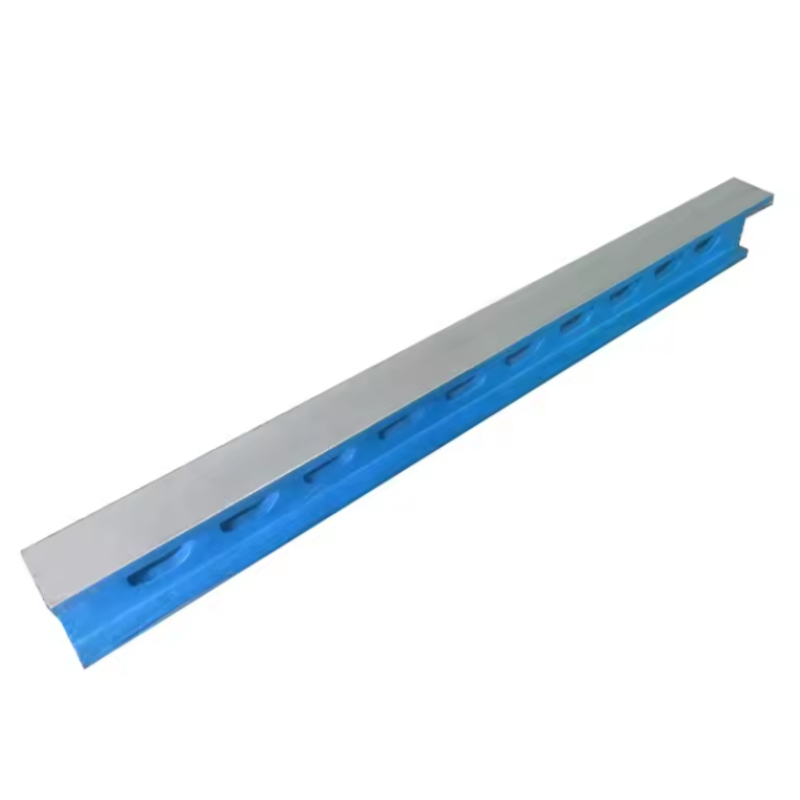
Welding and Fabrication Techniques for Efficient Metal Assembly and Construction
Understanding the Welding Fabrication Table A Comprehensive Overview Welding fabrication tables play

Ventil motýl s 36% průtokem pro efektivní regulaci kapaliny
Motýlové ventily a jejich význam Motýlové ventily jsou jedním z nejefektivnějších a nejběžněji použí
Válvula borboleta elétrica 12V para controle de fluxo em sistemas industriais
Válvula Borboleta de 12V Eficiência e Versatilidade em Sistemas Hidráulicos A válvula borboleta é um
 English